
Coal tar has been used to treat psoriasis and eczema for over a hundred years, and it’s still around today for a simple reason: it works. But it also comes with a strong smell, a habit of staining things, and a word, “coal,” that makes people understandably nervous about safety. Here’s what coal tar actually does, and an honest look at the cancer question that comes up constantly.
How Coal Tar Actually Works
Coal tar reduces the number and size of skin cells your body produces, which is exactly the overactive process driving both psoriasis and eczema flares. Dermatologists will tell you upfront: the precise mechanism isn’t fully understood, even after a century of use. What is known is that coal tar also numbs nerve endings in the skin and calms inflammatory activity, which is part of why it helps with itching and redness, not just scaling.
What Coal Tar Actually Is
Coal tar is a byproduct created during coal processing. That’s the source of the smell and the dark color, and also the source of most people’s hesitation about using it. Dermatologists generally don’t prescribe the crude, unrefined version; what you’ll find in shampoos, creams, and treatments is a purified, standardized concentration, typically far more refined than what the name suggests.
The Cancer Question, Addressed Honestly
This is worth being direct about, since it’s the question everyone has. Coal tar does contain compounds that are considered carcinogenic, and workers with heavy, long-term industrial exposure, like those in coal processing or road paving, do show an increased cancer risk. That occupational research is part of why some places, like California, require coal tar products to carry a cancer warning label.
But dermatological use is a very different exposure than industrial exposure, both in concentration and duration. A large study following more than 13,200 people with psoriasis or eczema who used coal tar treatments found no increased cancer risk compared to those treated with topical steroids instead. The FDA has stated there’s no scientific evidence that coal tar causes cancer at the concentrations actually used in over-the-counter products, generally between 0.5% and 5%. The warning labels you may see are largely based on animal studies using doses far higher than anyone would realistically use to treat psoriasis or eczema.
None of this means the concern is silly to have. It just means the actual dermatological evidence, at the concentrations people really use, doesn’t support the cancer risk many people assume.
Practical Realities: Smell, Staining, and Sun Sensitivity
A few things worth knowing before you try it:
- The smell is strong, and it’s the number one reason people stop using coal tar even when it’s working.
- It can stain skin, clothing, and light-colored hair, so many people reserve it for nighttime use with old sheets and towels.
- It increases sun sensitivity, making skin more prone to sunburn. Avoid direct sun exposure after applying it, or use sunscreen on treated areas.
Where You’ll Find It
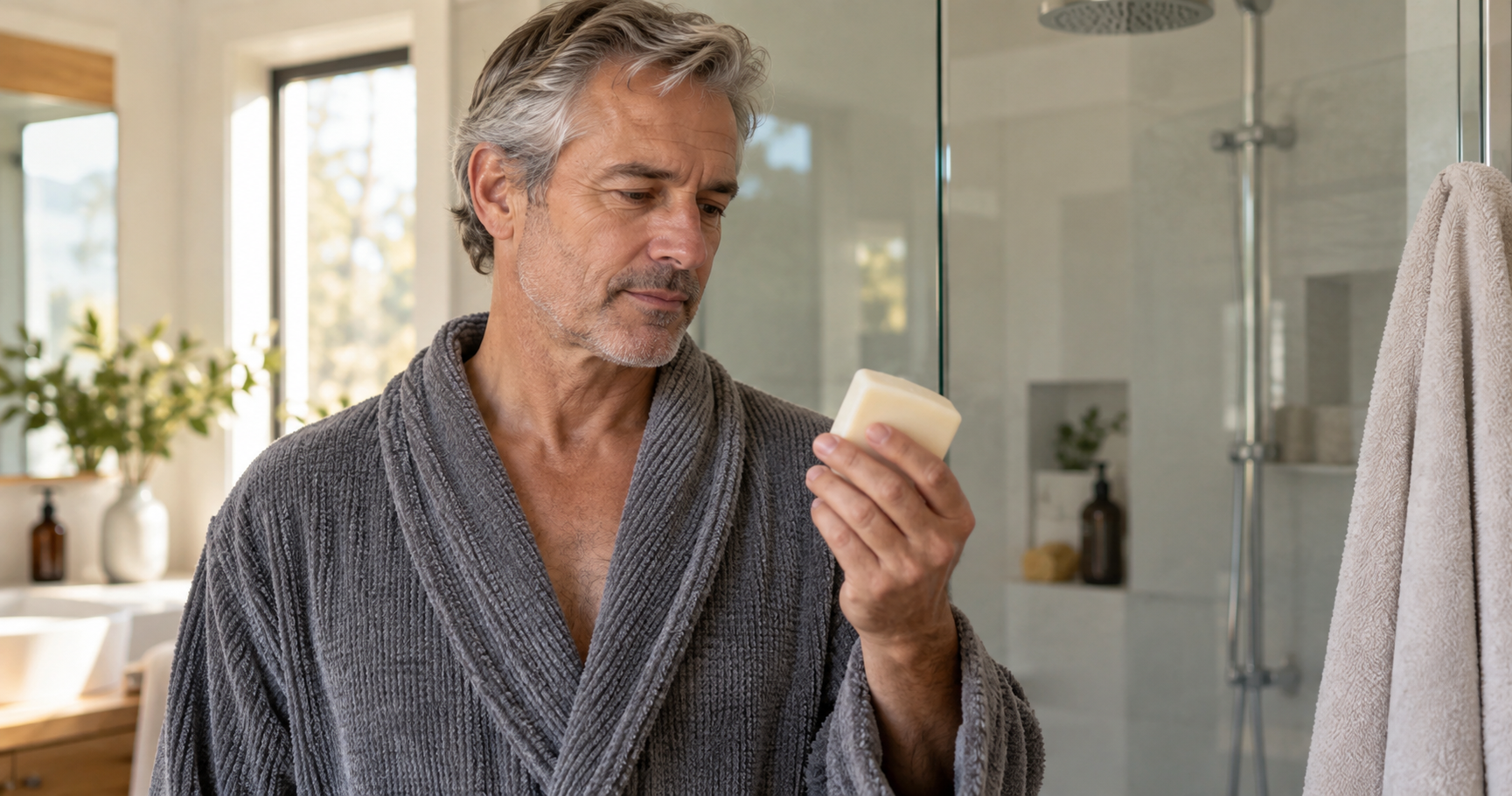
Coal tar shows up in a few different forms: medicated shampoos for scalp psoriasis, creams and ointments for body plaques, and bath solutions you add directly to bathwater. There’s also coal tar soap, a simpler option worth considering if the smell of leave-on treatments is what’s holding you back; since soap rinses off rather than staying on your skin, it tends to be a more tolerable way to get coal tar’s benefits during a normal shower routine.
Which form makes sense depends on where you’re treating and how severe things are.
Who Coal Tar Tends to Work Well For
Coal tar is often used as an alternative to topical steroids in children specifically, since kids absorb medication through their skin more readily than adults do, which raises the stakes for steroid side effects. Coal tar’s long safety track record makes it a common first choice for pediatric psoriasis and eczema.
When to See a Dermatologist
- You want to try coal tar but aren’t sure which form or strength fits your situation
- You’re treating a child and want guidance on a steroid alternative
- Coal tar isn’t improving things after consistent use
- You experience significant irritation, which can happen even though coal tar is generally well tolerated
A dermatologist can help you figure out whether coal tar makes sense for your specific case, and how to work around its smell and staining in a way that’s actually sustainable.
Mike Marenick is the founder of HealFast Skincare and holds the patent for his invention, Ovasome Technology, used in skincare formulations. He began developing skincare products after watching his mother manage psoriasis for decades, and has spent over twenty years formulating treatments for chronic skin conditions. His work has been featured on Home Shopping Network, in two national infomercials, and in more than 300 publications including Vogue, Newsweek, and Allure. He is not a medical doctor — always consult a dermatologist for diagnosis and treatment of skin conditions.
As an Amazon Associate, Itch and Flare earns from qualifying purchases.